
Designing an Experience Worth Remembering
You can walk into a restaurant and have a perfectly good meal, yet walk into another and remember it for years. Not because the food was better, but because the environment was designed to feel extraordinary. Consider a Michelin starred brasserie crafted by a renowned Soho House designer. The moment you step inside, you are surrounded by glamorous interiors, intimate dining nooks, ornate wall coverings, and a swanky bar accented with green marble, brass, and antique mirrors. Lush booths obscured by curtains create a sultry, private setting that turns dinner into an experience. The menu feels curated, intentional, and beautifully paired with a refined wine and cocktail list. You do not simply dine. You feel transported.
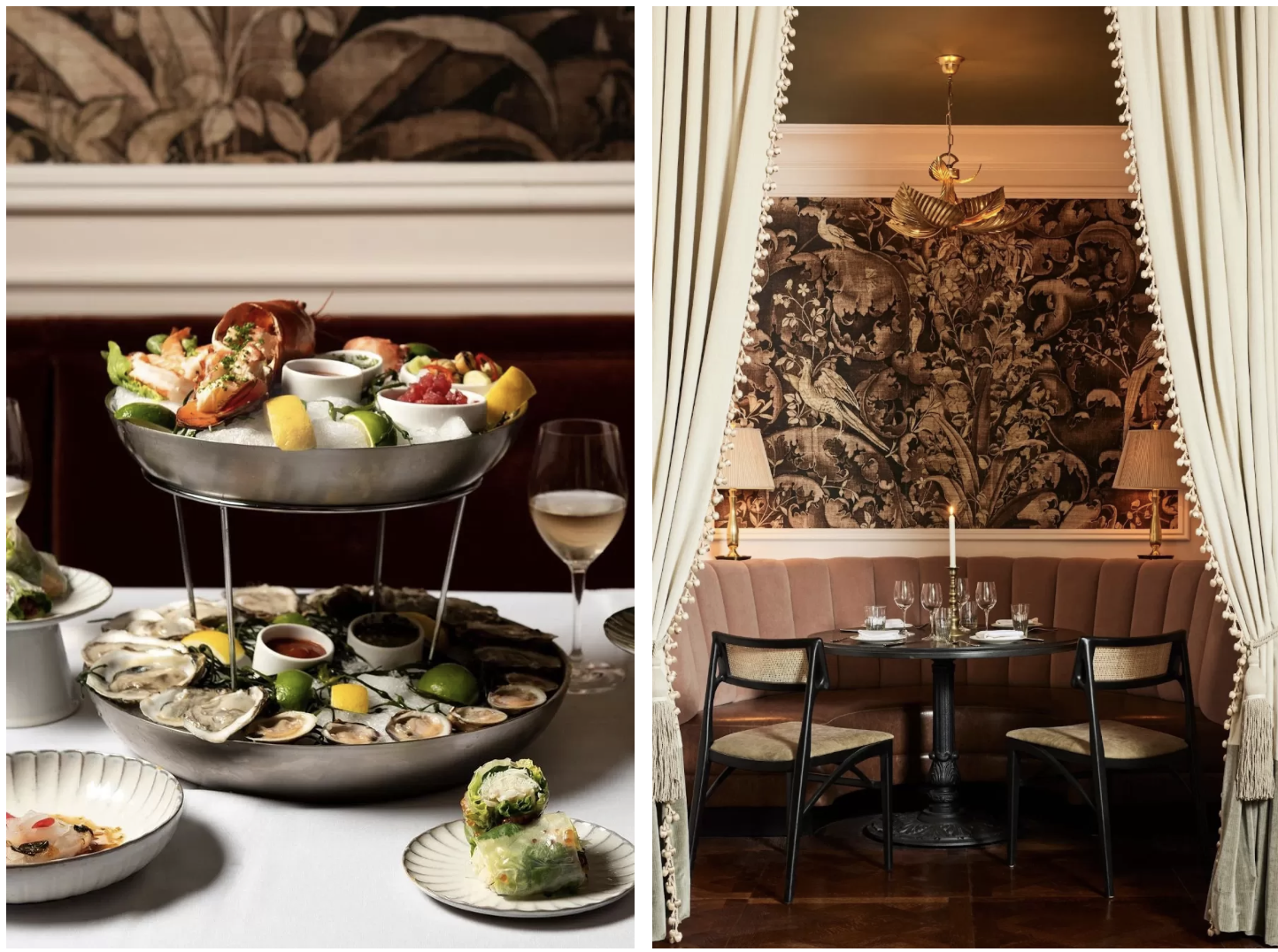
La Marchande
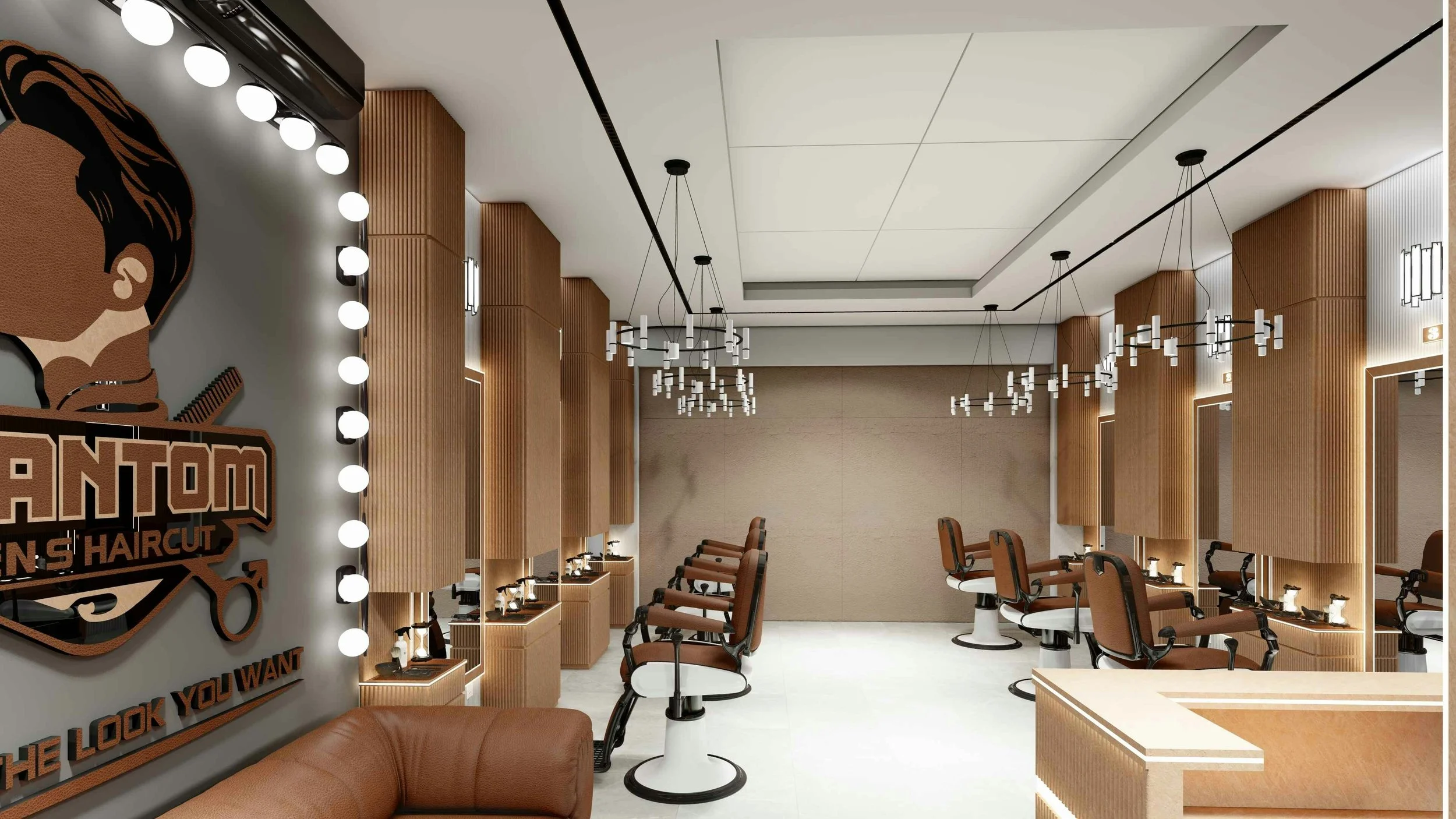
This type of experiential elevation is happening everywhere. Barbershops are no longer just places to get a haircut. Some now feel like luxury grooming lounges: immaculate modern interiors, soft leather chairs, warm towel treatments, espresso bars, signature colognes, curated grooming products, and quiet minimalist rooms designed for peace rather than noise. You leave not only looking good but feeling like you’ve stepped into an elevated ritual crafted with intention.
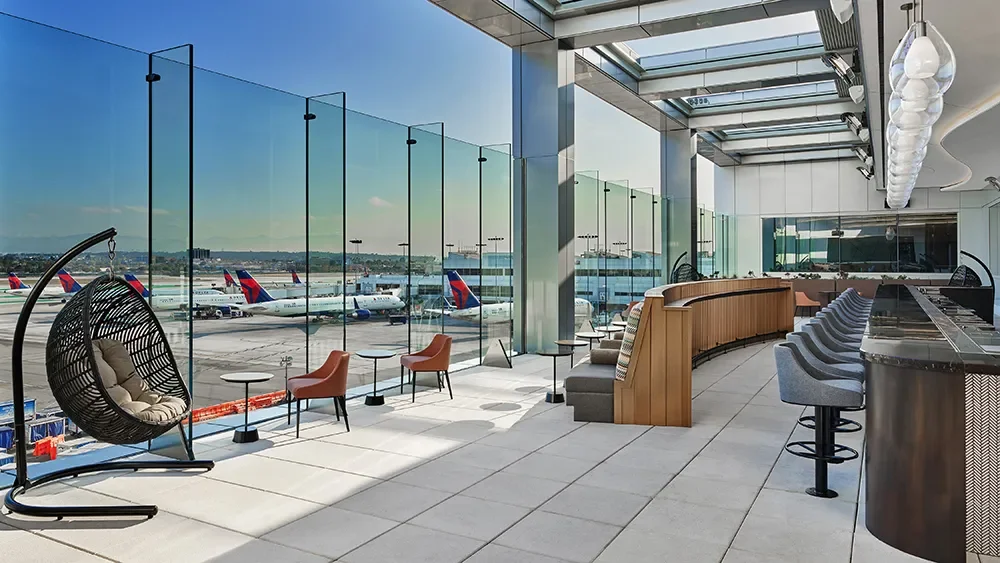
JFK’s Delta One Club
Travel reflects the same evolution. Elite sky lounges at major airports now resemble luxury hotels more than waiting rooms. Instead of basic seating, you find curated buffets, private suites, spa showers, quiet rooms for rest, panoramic window lounges overlooking the runway, conference rooms, specialty tea stations, and premium bars. A layover becomes a restorative moment because leaders designed the environment around how people want to feel, not just where they need to wait.
Even automotive spaces are transforming. Luxury car dealerships now offer upper level glass overlook lounges where you can watch your vehicle being serviced as if you were seated in a private box at a stadium. These lounges have chargers, WiFi, snacks, teas, televisions, conference tables, and soft seating. A routine oil change becomes a curated, respectful experience rather than an inconvenience.
These examples reflect a broader truth emerging across industries in 2025. Leaders are learning that the defining measure of excellence is no longer the service alone. It is the experience designed around the service. Recent industry research confirms that people gravitate toward environments that feel intentional, atmospheric, and human centered (McKinsey, 2025).
Experience design has become a form of operational integrity. It shows whether excellence is part of the culture or staged only when someone important is watching.
Nail Salons with Bars, Tea Service, and Small Plates
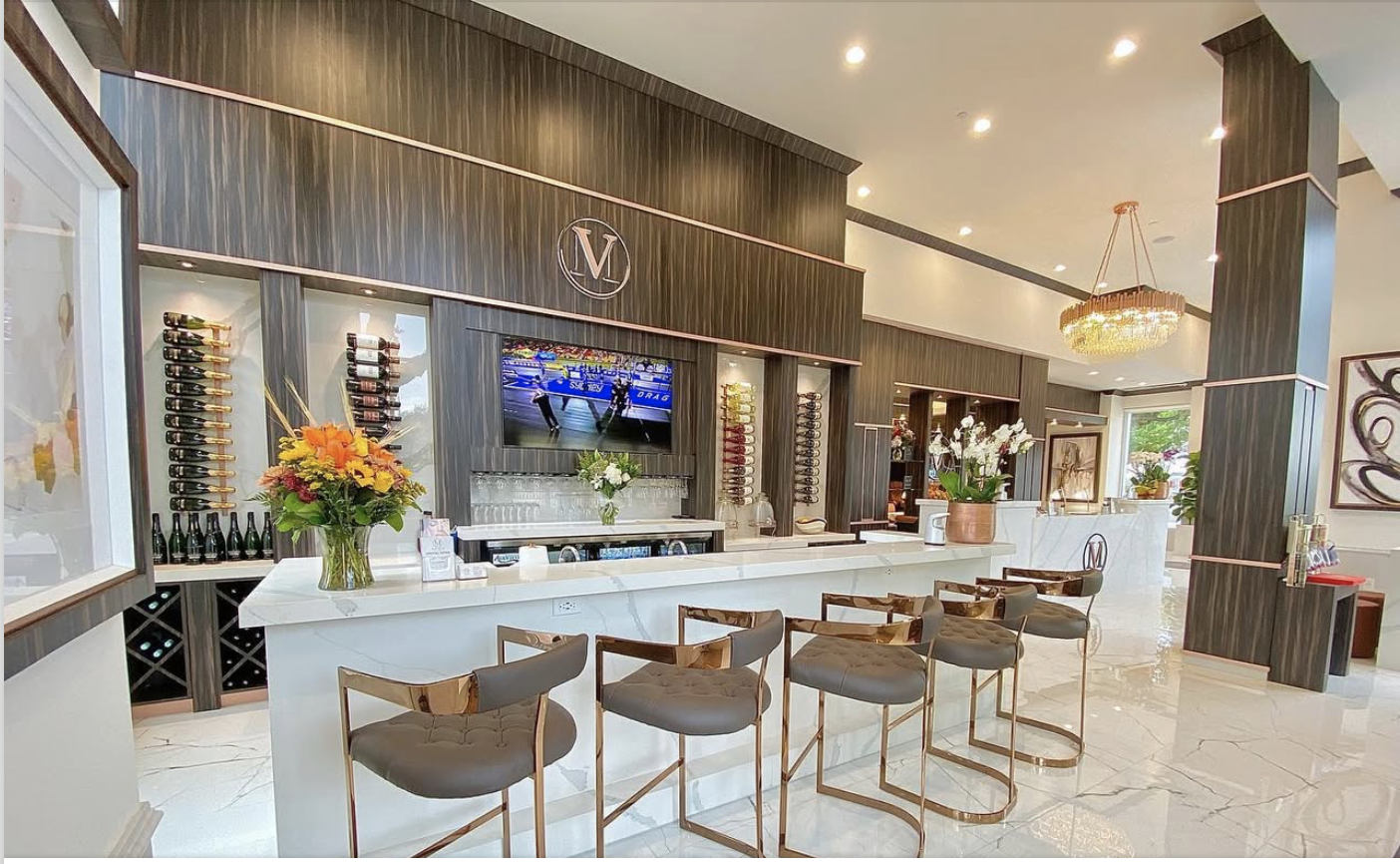
M. Vincé Nail Spa
Nail salons offering tea bars, champagne service, pastries, aromatherapy, and lounge style seating illustrate how emotional value is now strategic value. According to the Zenoti 2025 Beauty and Wellness Benchmark Report, salons and spas are enhancing in person experiences to build deeper, more meaningful retention and compete in a saturated market (Zenoti, 2025).
Leaders here understand that atmosphere is an extension of care. When the environment feels restorative and intentional, people remember the experience, not just the service.
Movie Theaters Offering Private Dining Rooms
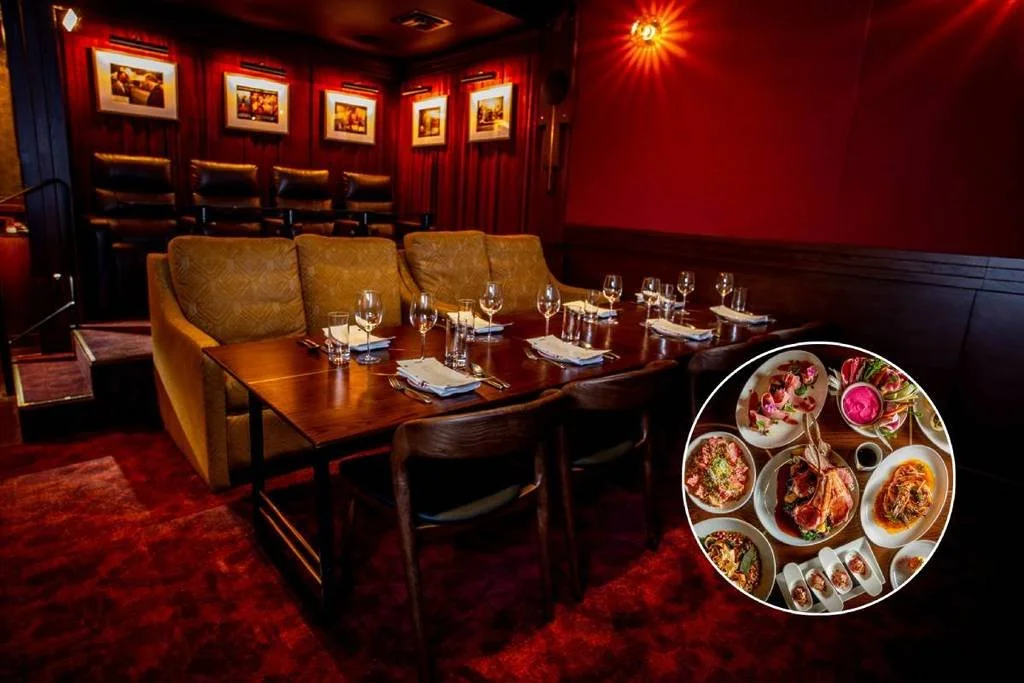
Metro Cinema (Source / Will Engelmann)
Boutique movie theaters that allow guests to rent private viewing rooms for dinner, relax in lounge style seating, and enjoy curated pre show ambience demonstrate the power of rethinking traditional capacity. This reflects a broader 2025 shift toward hybrid entertainment environments that combine comfort, food, and immersion (Storefront, 2025).
Leaders who adopt this mindset know how to transform underutilized space into an experience worth returning to. They anticipate how people want to gather and engage.
Laundromats with Coffee Shops and Co Working Zones
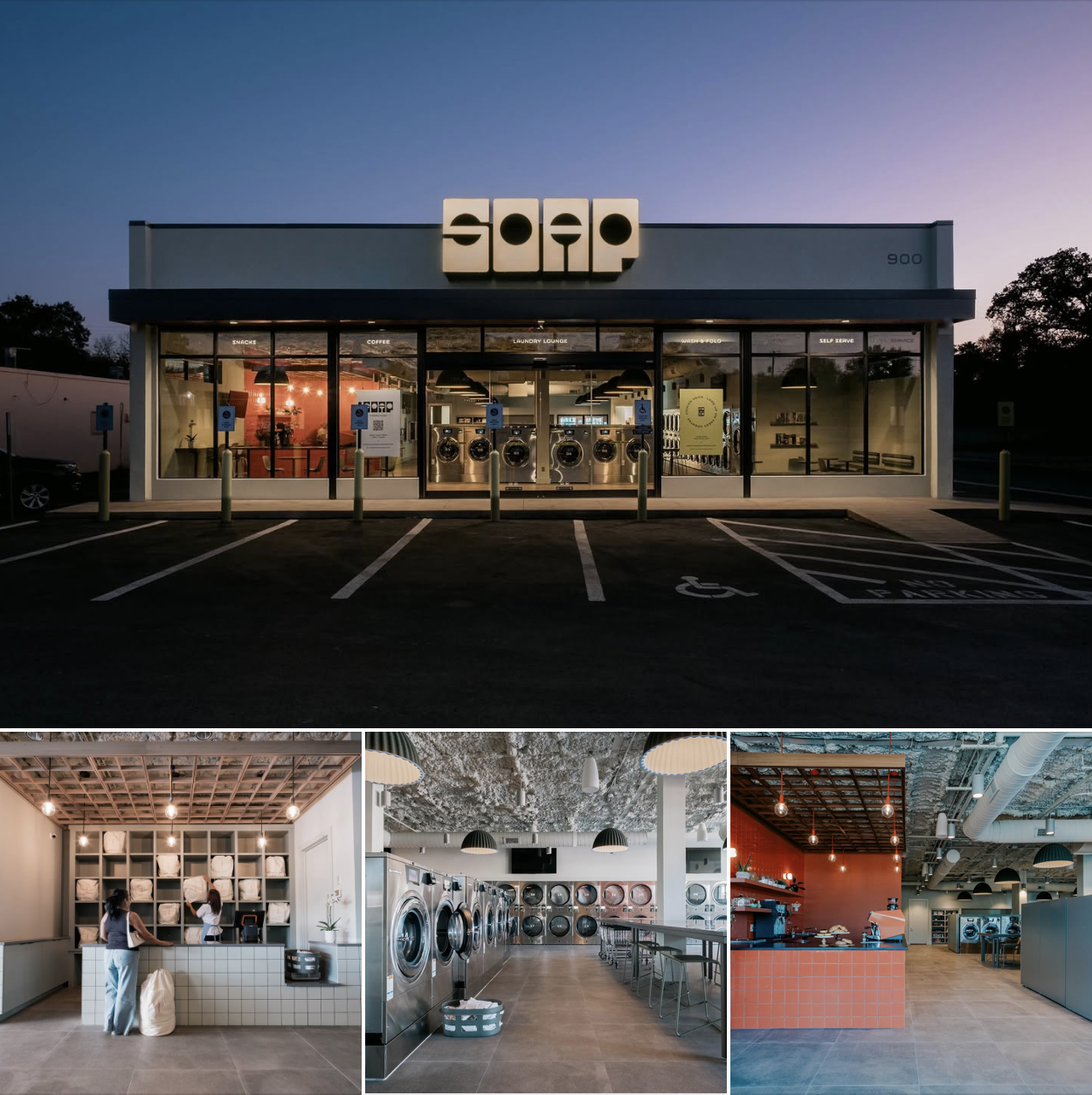
Soap Laundry Lounge
Hybrid laundromat cafés that offer coffee bars, co working stations, charging areas, retail shelves, and boutique design show how leaders elevate even the most routine tasks. This aligns with 2025 wellness trends highlighting that people prefer environments that reduce stress, enhance comfort, and support overall wellbeing (Forbes, 2025).
This is leadership through respect. When a space honors people’s time and experience, even chores feel intentional and community driven.
Gyms Becoming Immersive Wellness Studios
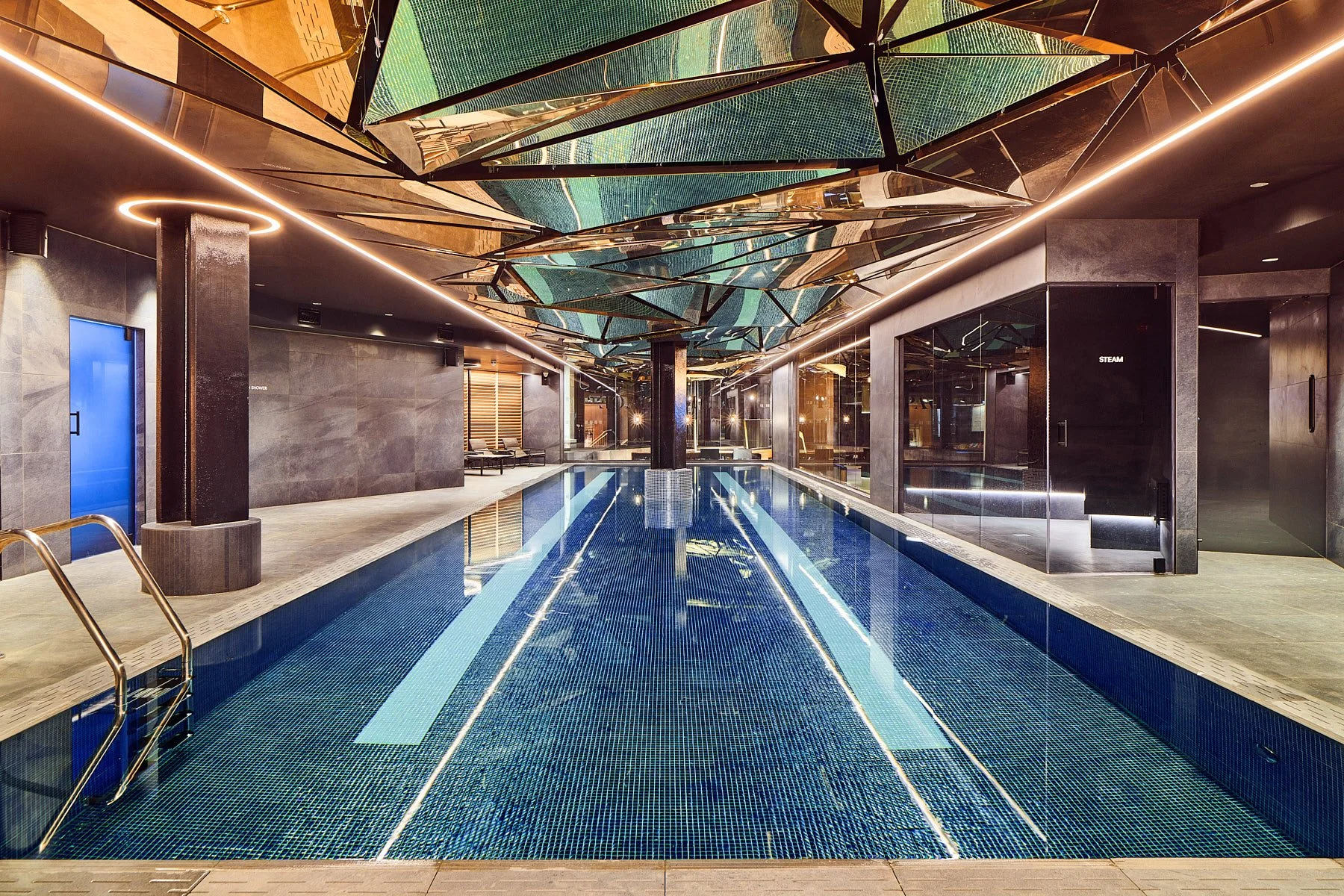
Third Space
Gyms that now incorporate meditation domes, cold plunge circuits, sound bath rooms, scent infused recovery zones, and curated nutrition bars reflect the growing desire for integrated wellness ecosystems. McKinsey’s 2025 Future of Wellness report shows that people are seeking spaces that address physical, emotional, and mental wellbeing all in one place (McKinsey, 2025).
Leaders who design holistic environments build stronger communities and deeper brand connection. They recognize that modern wellness is multidimensional.
Bookstores and Libraries with Immersive, Architectural Experiences
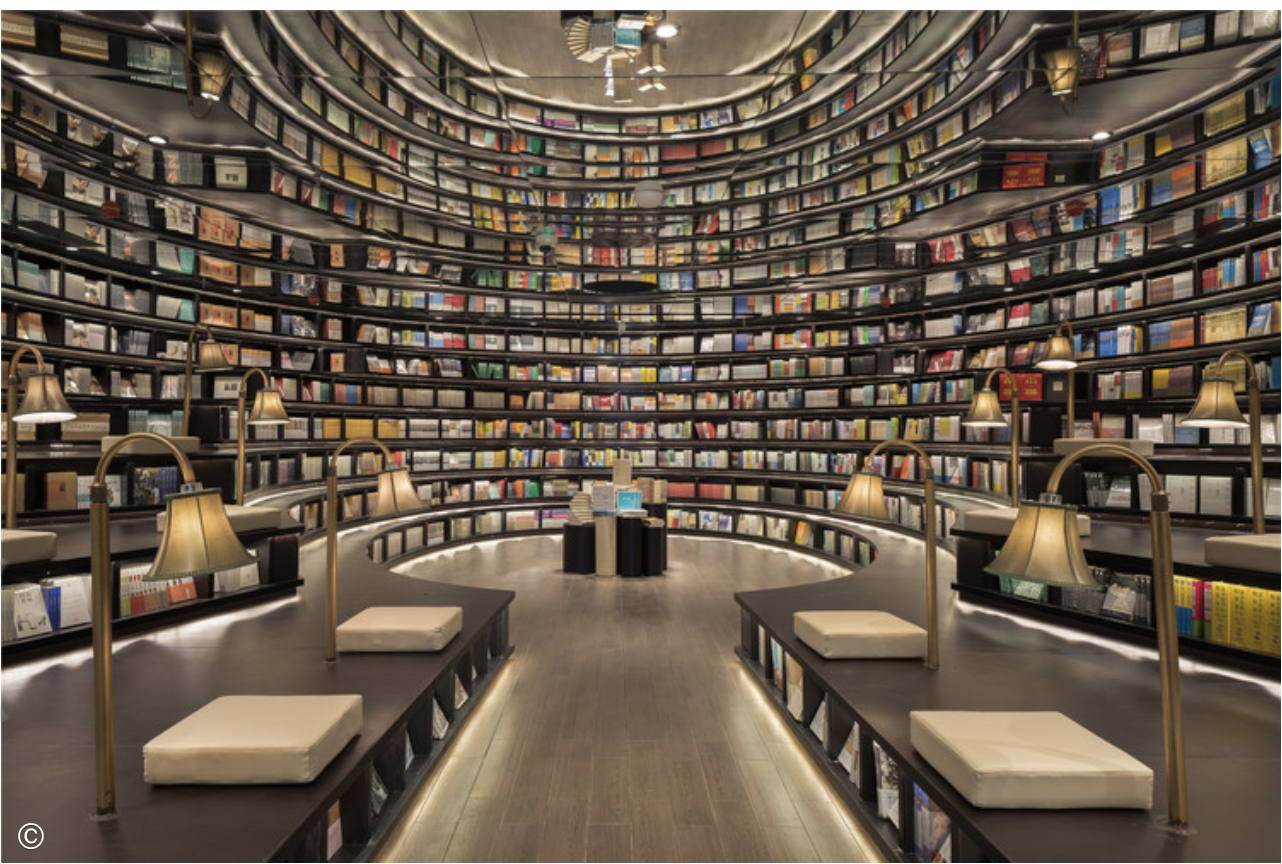
Hangzhou Zhongshuge Bookstore/Photograph: Shao Feng
Some bookstores now feel like walking into a work of art rather than a retail space. One striking example features a transparent glass façade that opens into a white, cathedral-like room filled with circular book pillars that rise like trees. Mirrored ceilings and walls make the space feel endless, creating the illusion of an infinite forest of knowledge.
Soft lights sparkle overhead, and curved desks flow through the room like streams, inviting people to linger, read, and explore. It is a space designed to evoke awe, curiosity, and reflection.
This is experience design at its highest level. Leaders who create environments like this understand that when purpose and design align, even a bookstore becomes a sanctuary that people return to again and again.
Why Experience Design Matters for Leaders
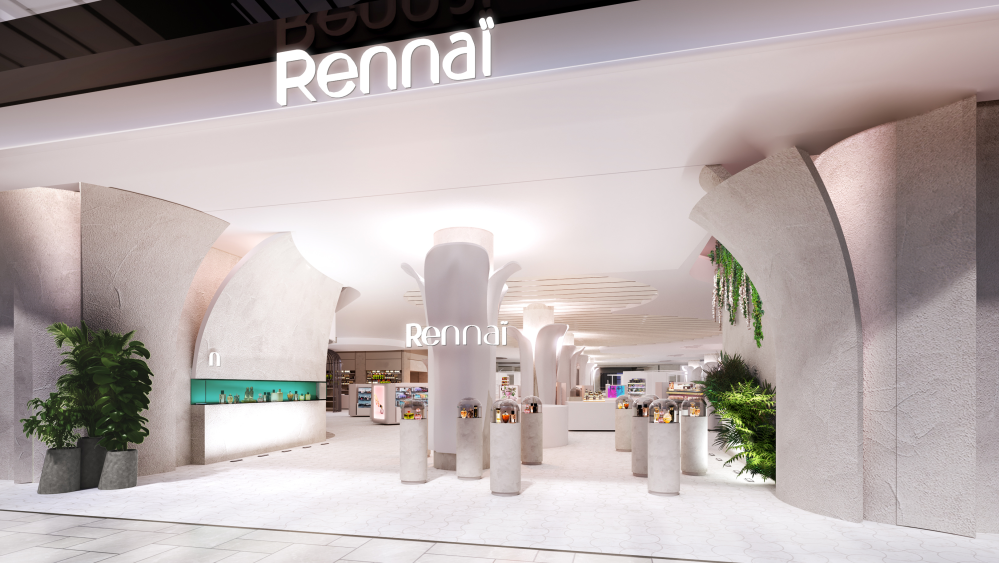
Rendering of the Rennaï store
Emerging 2025 industry insights point to a simple reality: people return to places that feel intentional. They talk about places where they felt cared for. They advocate for environments that deliver consistency, comfort, and emotional resonance.
Experience design is no longer a nicety. It is a leadership competency. It reflects vision, emotional intelligence, operational consistency, and cultural integrity.
Great leaders design environments worth returning to.
Great leaders build experiences worth remembering.
References
McKinsey & Company. (2025). Future of wellness: Industry insights on integrated wellbeing. https://www.mckinsey.com/
Zenoti. (2025). Beauty and wellness benchmark report. https://www.zenoti.com/
Storefront. (2025). Experiential retail trends and consumer engagement insights. https://www.thestorefront.com/
Forbes. (2025). Emerging wellness and lifestyle trends shaping daily environments. https://www.forbes.com