

How to Design Training Programs That Drive Real Change
Training programs are a critical investment for any organization, but too often, they fall short of their potential. The problem? Many programs focus on delivering content without addressing how that knowledge translates into action and measurable outcomes. To drive real change, training programs must go beyond lectures and checklists. They need to be strategic, interactive, and tailored to the organization’s goals and participants’ needs.
So, how can you design training programs that don’t just inform but transform? Let’s explore the key elements that turn training into long-term impact.

Balancing Compassion and Performance: Leading with Heart and Strategy
In today’s high-pressure, performance-obsessed environment, it’s easy for leaders to get caught up in deadlines and metrics, often neglecting the human element that drives long-term success. However, the most successful leaders know that true success lies in balancing compassion and performance. Compassionate leadership builds trust, fosters loyalty, and boosts morale, while strategic performance management ensures the organization meets its goals. Together, they create a powerful formula for long-term success.
This balance is not about compromise; it’s about integration. Leaders who can lead with both heart and strategy don’t just drive results; they create environments where people thrive, and excellence becomes the norm.
Here’s how to find that balance and lead in a way that inspires both productivity and human connection.

Leading Multi-Generational Teams: Unlocking Collective Potential
In today’s dynamic workforce, it’s not uncommon to find Baby Boomers, Generation X, Millennials, and Gen Z working side by side. Each generation brings its own values, strengths, and perspectives, creating both challenges and opportunities for leaders. When managed effectively, multi-generational teams can unlock immense collective potential, driving innovation, creativity, and organizational success.
To lead such diverse teams, leaders must go beyond surface-level understanding and foster an environment where individuals of all ages can contribute, collaborate, and thrive. Investing in every generation is not just a strategy; it’s a necessity for organizations seeking long-term success.
The Hidden Cost of Leadership Without Emotional Intelligence
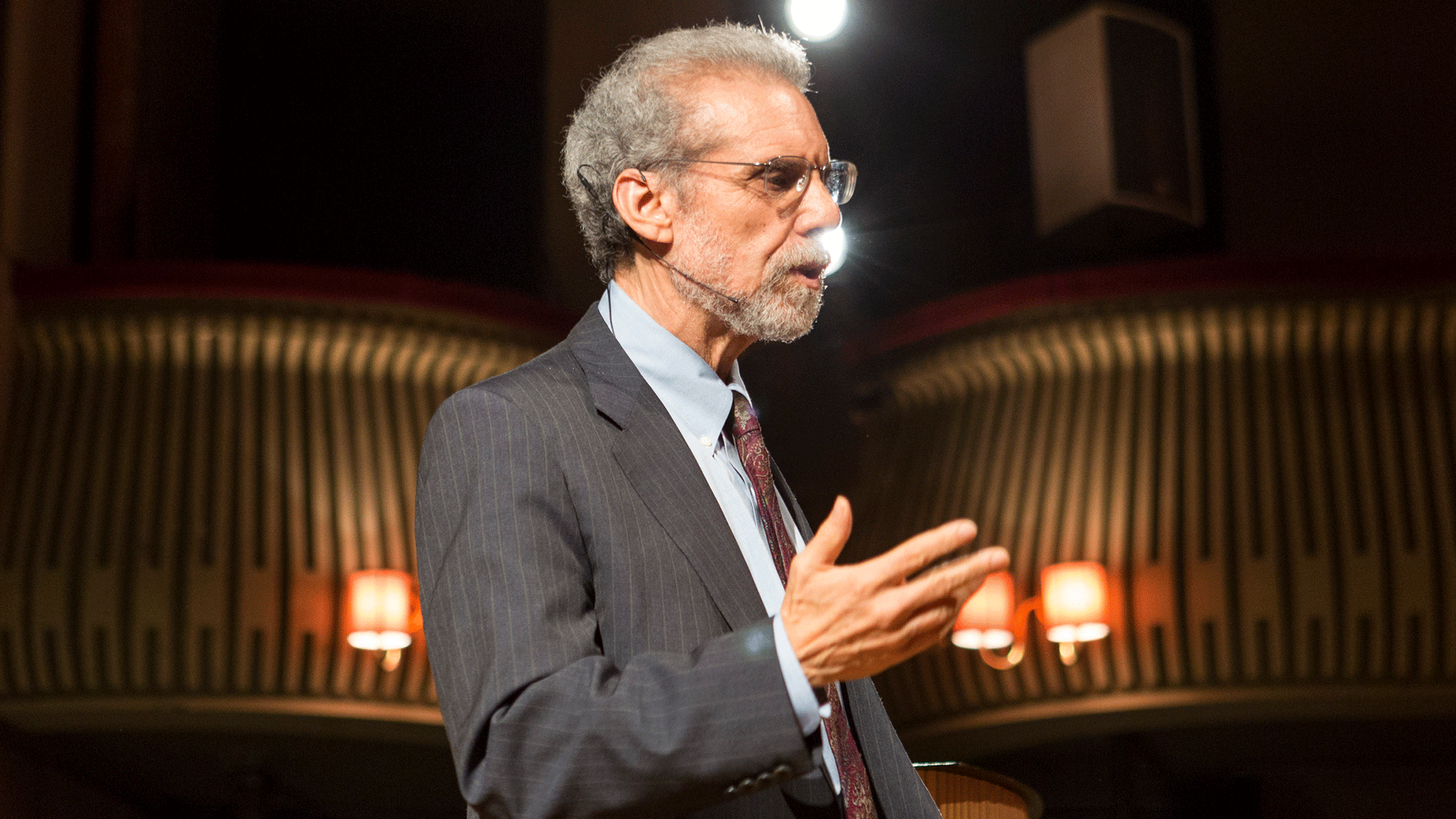
Leadership isn’t just about strategy or decisions; it’s about people. Daniel Goleman said it best: 'A leader with low emotional intelligence is actually draining the organization in the long term.' Emotional intelligence is the key to inspiring teams, building trust, and driving lasting success. So, ask yourself; how emotionally intelligent is your leadership?

The Culture You Tolerate: Leadership’s Role in Shaping Organizational Behavior
"The culture of any organization is shaped by the worst behavior the leader is willing to tolerate."—Gruenter and Whitaker
Culture doesn’t happen by accident. It is created, reinforced, and perpetuated by what leaders permit, reward, and ignore. This powerful quote by Gruenter and Whitaker serves as a reminder that leaders are the gatekeepers of organizational culture. The behaviors you allow, whether actively or passively, set the tone for what is acceptable and what is not.