

The Decline of an Organization Begins at the Top: Why Leadership Matters
In every organization, consistent success or failure is often traced back to one critical factor: leadership. While external challenges and market conditions play a role, the core driver of an organization’s long-term trajectory is its leadership. When an organization begins to decline, it is rarely due to the workforce alone. It is a reflection of the choices, values, and effectiveness of its leaders.
Leading With Self-Awareness: The Power of Checking Yourself Before Someone Else Has To
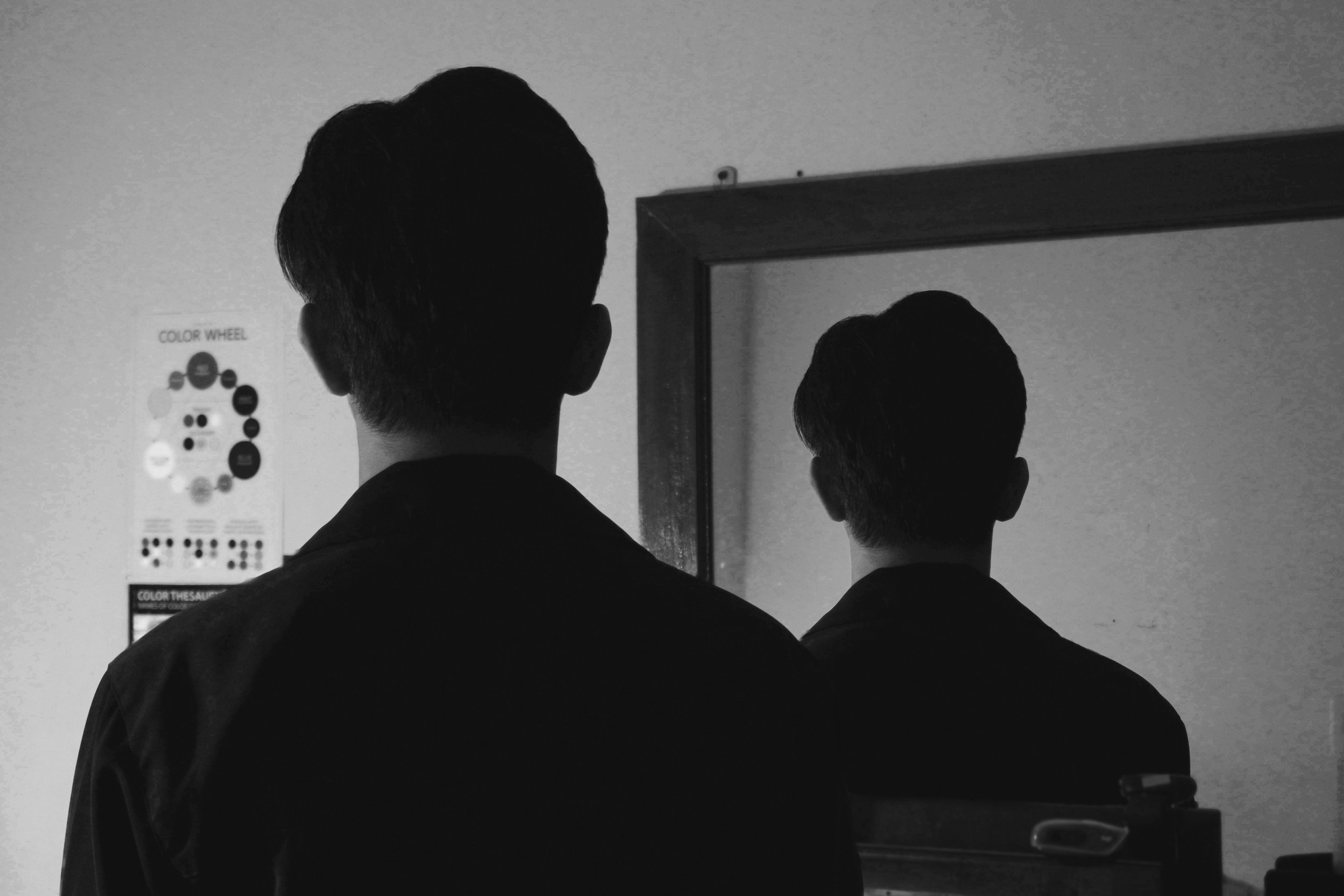
In leadership, the ability to consistently evolve doesn’t come from external feedback alone; it starts with self-awareness. Strong leaders develop the habit of assessing their actions, decisions, and attitudes before others need to point out areas for improvement. This proactive approach requires both introspection and honesty, being willing to acknowledge your blind spots, own your mistakes, and make adjustments as needed. By holding yourself accountable, you cultivate a mindset of continuous growth and ensure that you remain aligned with your goals, values, and the expectations of those you lead. Ultimately, this practice is what keeps you ahead, both personally and professionally, allowing you to lead with confidence, adaptability, and purpose.

Beyond Networking: The Power of Intention, Authenticity, and Spiritual Alignment in Leadership
In today's world, networking is often praised as the key to success. Countless articles, workshops, and mentors emphasize the importance of building connections to get ahead. Yet, beneath the surface lies a deeper truth that many overlook: success built on authentic intention and spiritual alignment is far more sustainable and fulfilling than success gained through superficial relationships or strategic flattery.
The difference comes down to why and how we connect with others. Are we engaging with people purely to advance our careers? Or are we allowing our work, values, and character to attract the right opportunities and individuals into our lives?
True leadership doesn’t come from brown-nosing or bending to every influential figure we meet. It stems from knowing who we are, standing firm in our values, and trusting that our work will speak for itself. When we approach life with authenticity and intention, we naturally attract the right people, those divinely placed on our path to help us grow, collaborate, and achieve our goals.
Kintsugi Leadership: Embracing Imperfection to Unlock Strength and Resilience
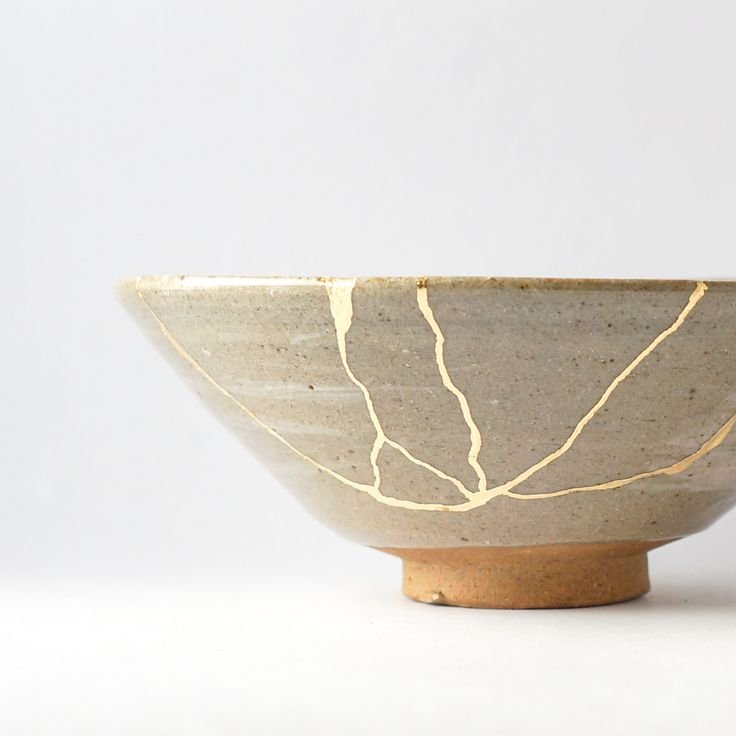
In the world of leadership, the pressure to appear flawless can be overwhelming. Yet, some of the most impactful leaders are those who embrace their challenges, mistakes, and setbacks as integral parts of their growth. This philosophy aligns beautifully with Kintsugi, the Japanese art of repairing broken pottery with gold. Instead of hiding cracks, Kintsugi highlights them, transforming what was once broken into something more beautiful and resilient. For leaders, this practice serves as a powerful metaphor: true strength and wisdom come from acknowledging and learning from life’s fractures.

The Leadership Symphony: Conducting Harmony in Organizations
Attending a symphony at a venue like Carnegie Hall is an unforgettable experience. The moment the conductor raises their baton, the entire ensemble becomes one. Dozens, sometimes hundreds, of musicians blend their sounds into a breathtaking, unified performance. But the magic does not happen by chance. The conductor ensures that every instrument and every voice plays its part with precision. One musician playing out of tune or one voice off-key can disrupt the entire piece.
Leadership in organizations functions in the same way. Great leaders act as conductors, making sure every team member understands their role and contributes to the collective mission. When leaders fail to hold people accountable, allow responsibilities to slip, or let individuals operate in silos, disharmony takes root. Just as in an orchestra, one misstep can ripple through the entire organization and create dysfunction instead of flow.