
Designing an Experience Worth Remembering
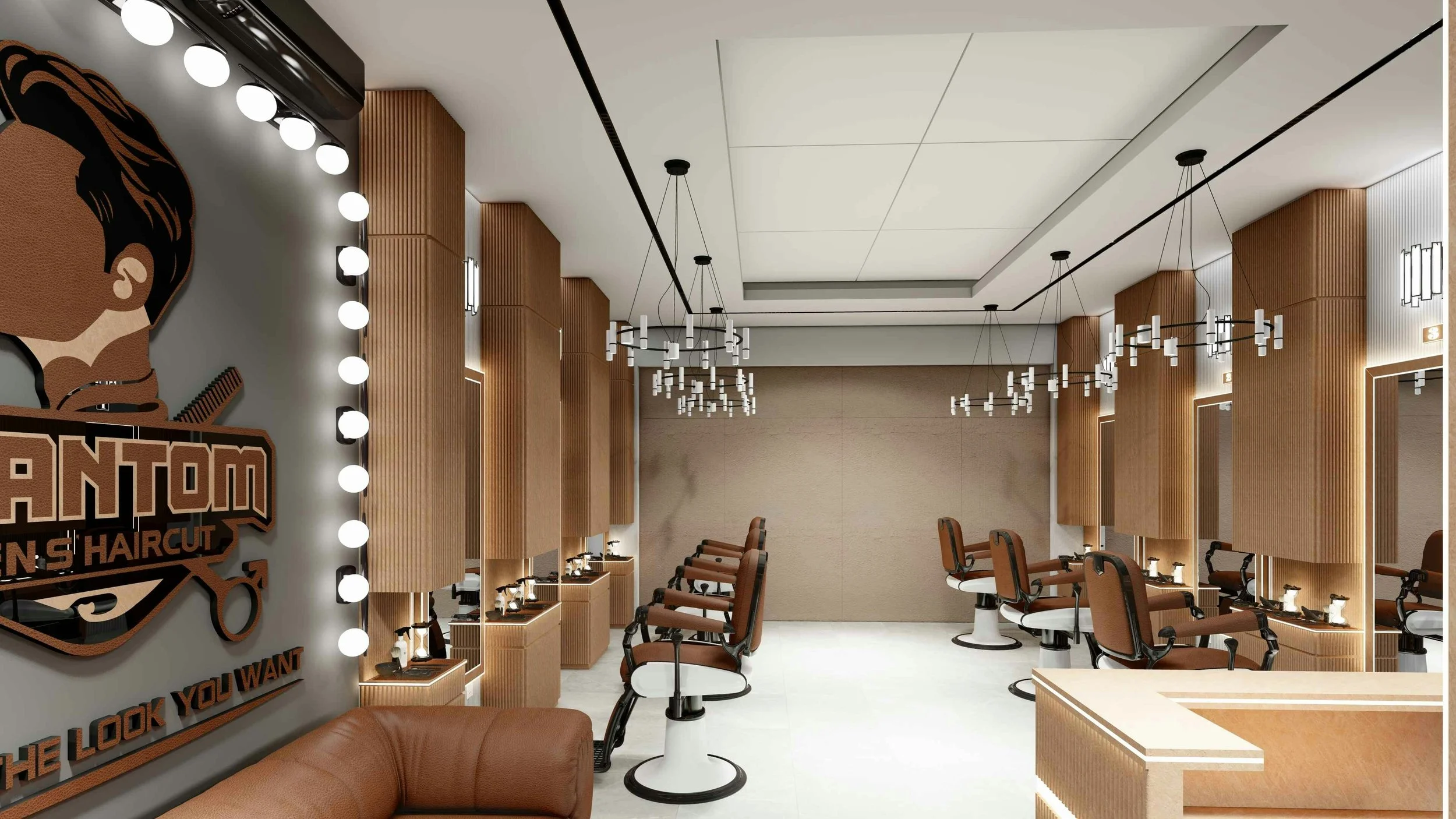
You can walk into a restaurant and have a perfectly good meal, yet walk into another and remember it for years. Not because the food was better, but because the environment was designed to feel extraordinary. Consider a Michelin starred brasserie crafted by a renowned Soho House designer. The moment you step inside, you are surrounded by glamorous interiors, intimate dining nooks, ornate wall coverings, and a swanky bar accented with green marble, brass, and antique mirrors. Lush booths obscured by curtains create a sultry, private setting that turns dinner into an experience. The menu feels curated, intentional, and beautifully paired with a refined wine and cocktail list. You do not simply dine. You feel transported. This type of experiential elevation is happening everywhere. Barbershops are no longer just places to get a haircut. Some now feel like luxury grooming lounges: immaculate modern interiors, soft leather chairs, warm towel treatments, espresso bars, signature colognes, curated grooming products, and quiet minimalist rooms designed for peace rather than noise.

Organizational Readiness Should Be Routine
Many organizations consistently operate in a state of excellence. Their environments are clean, their staff conduct themselves professionally, and their services reflect pride and purpose every single day. These organizations understand that readiness is part of their identity. At the same time, it is also common across sectors for some workplaces to shift into “performance mode” only when they hear that certain guests or top executives will be visiting. Leadership research shows that high-performing organizations rely on continuous standards and not temporary actions triggered by scheduled observations (Hao & Yazdanifard, 2023). Authentic excellence is not something leaders create for an audience. It is the natural outcome of a culture rooted in clarity, consistency, and respect for both employees and the people they serve (Lee & Edmondson, 2023).

Why Checks and Balances Protect the Integrity of an Organization
Healthy organizations are built on transparency, accountability, and ethical decision-making. Yet many institutions continue to elevate leaders who operate with minimal oversight. When authority is unchecked, poor behavior at the top does not remain isolated. It becomes a structural issue that shapes culture, decision-making, morale, and operational integrity. The absence of meaningful checks and balances is one of the most dangerous conditions inside any organization. Checks and balances refer to a system where power is intentionally distributed across individuals or groups to ensure no one person operates without oversight. Each part of the system has the authority to monitor, question, or challenge the actions of others. The concept of checks and balances originates from political philosophy, most notably the work of Baron de Montesquieu in The Spirit of the Laws (1748). Although designed for government, the principle applies directly to organizational leadership: separating and sharing power prevents abuse of power. In practice, checks and balances ensure that decisions are reviewed, leaders answer to other leaders, and authority is exercised responsibly.

How Alignment and Accountability Shape a Healthy Organization
A healthy organization does not happen by chance. It is shaped by leadership that values alignment, clarity, and accountability at every level. When expectations are consistent and leaders reinforce them, institutions operate with confidence and purpose. People understand their roles, collaboration becomes natural, and the culture strengthens because everyone is moving toward the same vision. But when alignment is missing or accountability is uneven, even the strongest organizations begin to drift. The result is confusion, frustration, and an environment where individuals create their own interpretations of what should be standard. Leadership determines which direction the culture turns. Organizations do not fall apart overnight. They unravel slowly when leaders fail to support the standards designed to protect the organization, guide employees, and maintain operational consistency. When leaders disregard structure or allow others to bypass it, the workplace becomes unpredictable. People begin operating based on preference instead of principle. Decisions shift depending on who is asking, who is favored, or who has the most influence. What should be a coordinated environment becomes the Wild Wild West.
The Role of Emotional Intelligence in Design Leadership
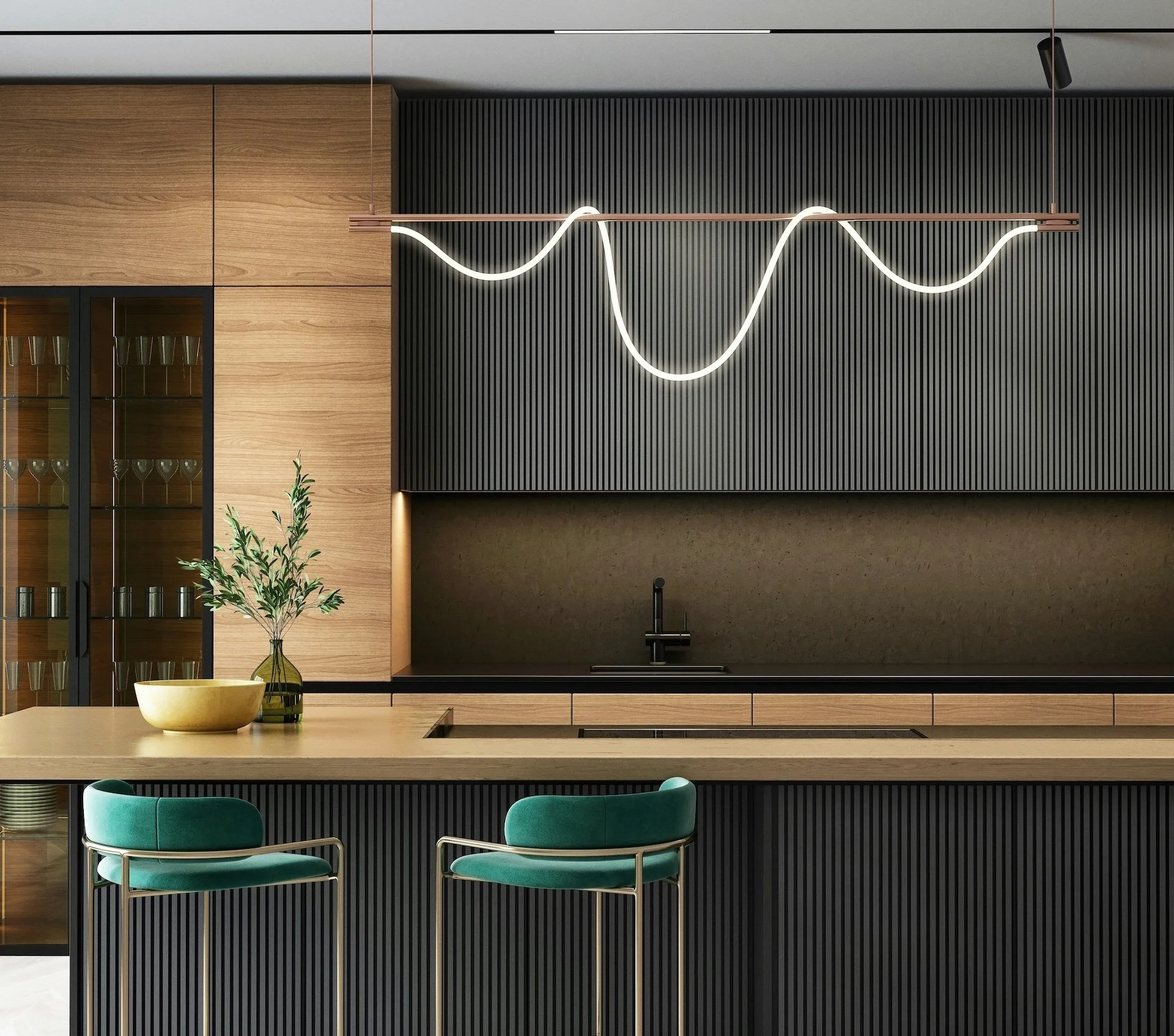
Creative design spaces thrive on imagination, interpretation, and innovation. Whether the work involves architectural drawings, spatial planning, or interior concepts, design is both intensely technical and deeply human. Emotional intelligence is one of the most important leadership competencies in these environments. Leaders who understand how to read emotions, manage their responses, and create space for honest communication set the tone for the entire studio. Design work involves constant rounds of revision, rapid shifts based on client requests, and the pressure to produce work that is both beautiful and functional. Without emotional intelligence, leaders often create teams that are tense, uncertain, and hesitant to offer new ideas. With emotional intelligence, teams feel safe enough to think boldly, explore possibilities, and communicate clearly about constraints.