
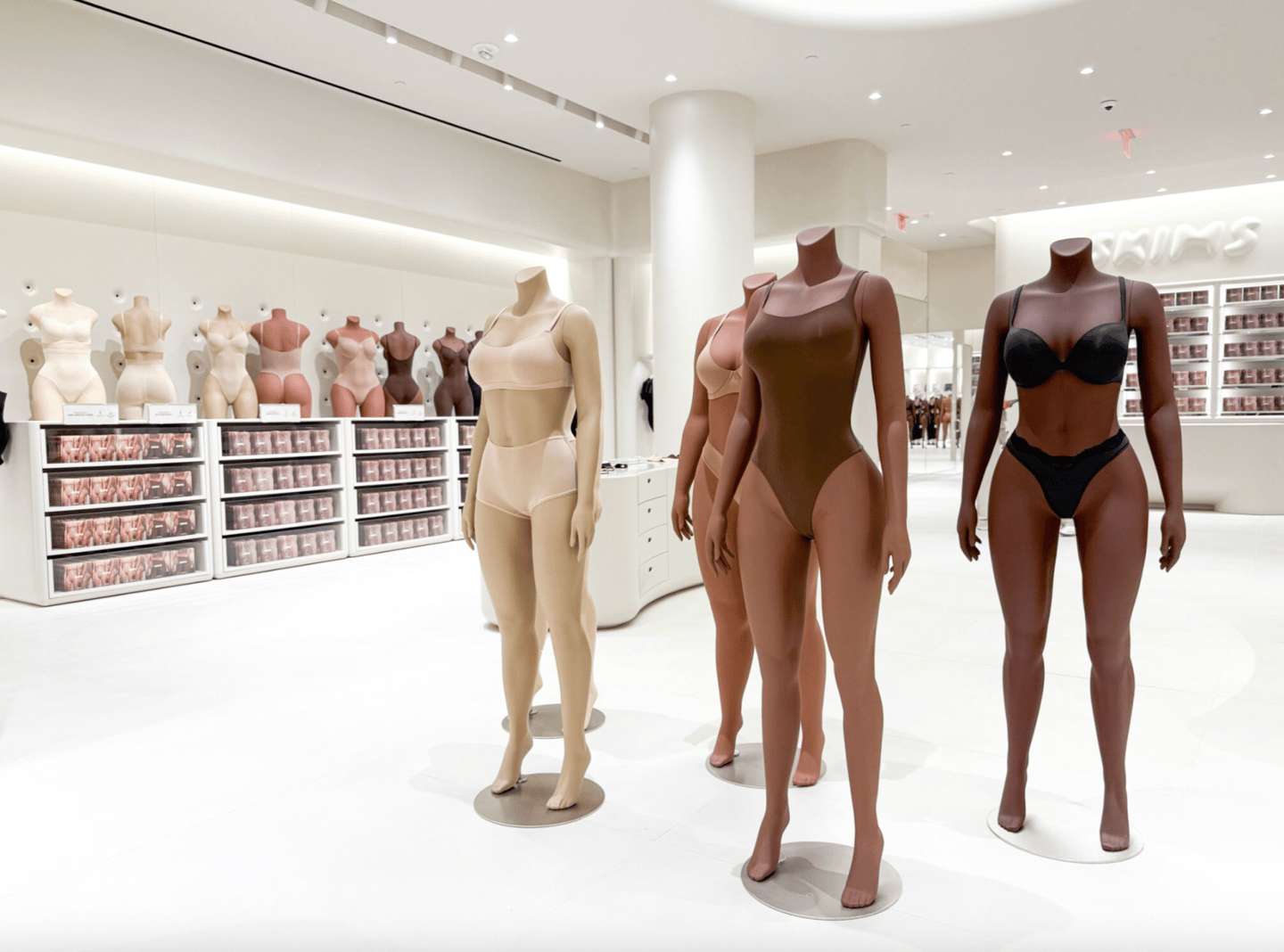
SKIMS as a Case Study in Customer Driven Innovation and Authenticity
Shapewear has been part of fashion for many years, but it often looked and felt the same across brands. SKIMS entered this space with a fresh perspective that put customer voice, authenticity, and thoughtful design at the center of every decision. Kim Kardashian did not simply release another product. She introduced a new way of listening and responding, turning SKIMS into a leadership case study in innovation, timing, and customer centered strategy. This approach shows how meaningful change can happen when brands pay attention to what real people need and want. Kim Kardashian uses social media as a living focus group. She posts polls, reads comments, and implements user suggestions publicly. This creates a two way relationship rather than a top down mentality where the brand believes it knows best. According to digital marketing analysts, consumers value SKIMS because decisions appear to reflect real requests for product changes and improvements, including sizing and fabric adjustments driven by user feedback (Indigo9 Digital 2024). Listening became the strategy, not the slogan.

Why Home Depot Offering Classes is a Smart Leadership Decision in Education and Skill Building
Home Depot has moved beyond simply being a store where people buy tools and materials. The company is now offering free workshops for adults and children, both in person and online. This strategic move positions Home Depot as a leader in community education and customer empowerment. In 2025, the concept of experiential learning has become increasingly valuable as organizations look for ways to connect with people and provide meaningful skills development opportunities (Jones, 2025).
Designing an Experience Worth Remembering
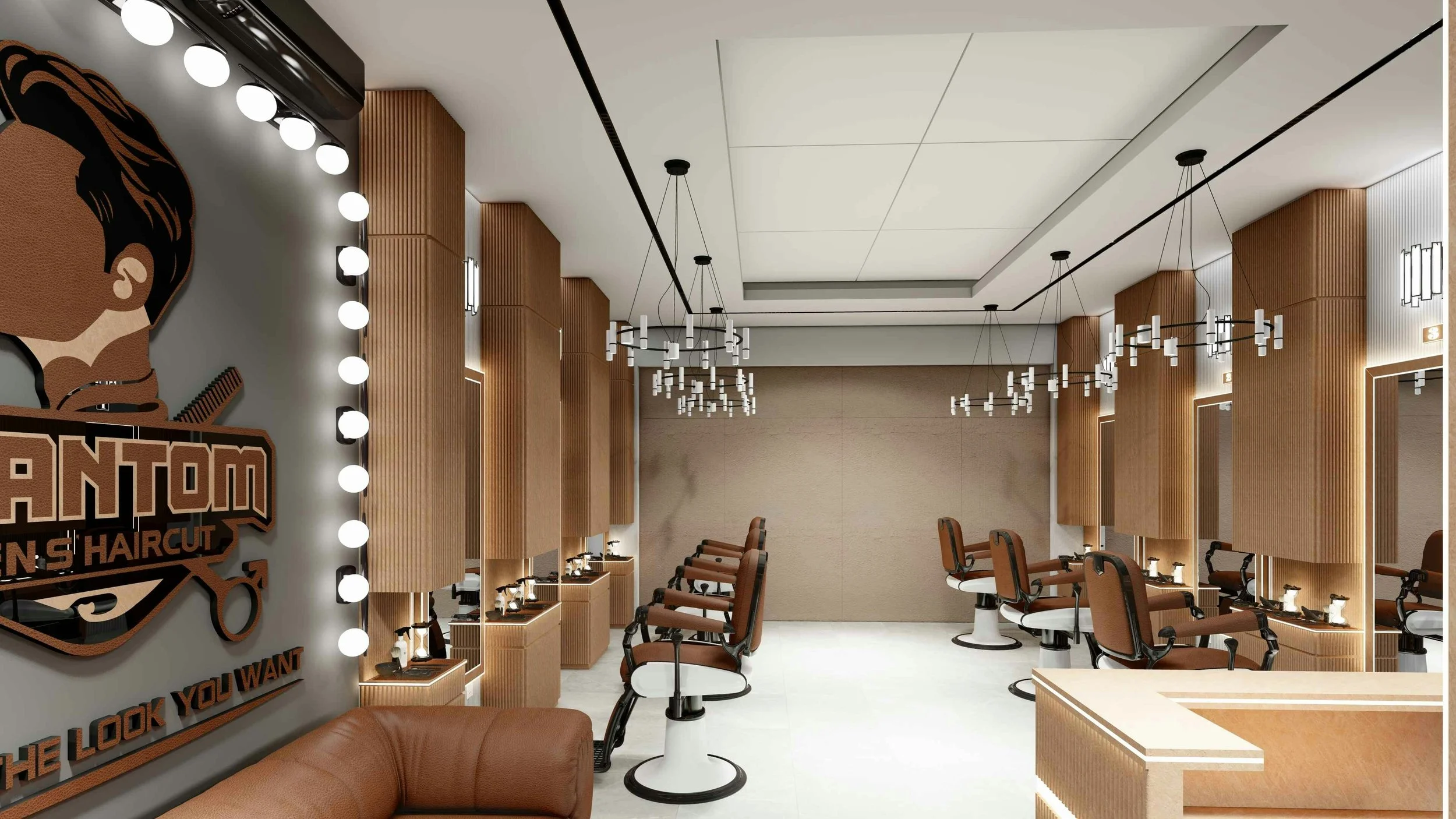
You can walk into a restaurant and have a perfectly good meal, yet walk into another and remember it for years. Not because the food was better, but because the environment was designed to feel extraordinary. Consider a Michelin starred brasserie crafted by a renowned Soho House designer. The moment you step inside, you are surrounded by glamorous interiors, intimate dining nooks, ornate wall coverings, and a swanky bar accented with green marble, brass, and antique mirrors. Lush booths obscured by curtains create a sultry, private setting that turns dinner into an experience. The menu feels curated, intentional, and beautifully paired with a refined wine and cocktail list. You do not simply dine. You feel transported. This type of experiential elevation is happening everywhere. Barbershops are no longer just places to get a haircut. Some now feel like luxury grooming lounges: immaculate modern interiors, soft leather chairs, warm towel treatments, espresso bars, signature colognes, curated grooming products, and quiet minimalist rooms designed for peace rather than noise.

Organizational Readiness Should Be Routine
Many organizations consistently operate in a state of excellence. Their environments are clean, their staff conduct themselves professionally, and their services reflect pride and purpose every single day. These organizations understand that readiness is part of their identity. At the same time, it is also common across sectors for some workplaces to shift into “performance mode” only when they hear that certain guests or top executives will be visiting. Leadership research shows that high-performing organizations rely on continuous standards and not temporary actions triggered by scheduled observations (Hao & Yazdanifard, 2023). Authentic excellence is not something leaders create for an audience. It is the natural outcome of a culture rooted in clarity, consistency, and respect for both employees and the people they serve (Lee & Edmondson, 2023).

Why Checks and Balances Protect the Integrity of an Organization
Healthy organizations are built on transparency, accountability, and ethical decision-making. Yet many institutions continue to elevate leaders who operate with minimal oversight. When authority is unchecked, poor behavior at the top does not remain isolated. It becomes a structural issue that shapes culture, decision-making, morale, and operational integrity. The absence of meaningful checks and balances is one of the most dangerous conditions inside any organization. Checks and balances refer to a system where power is intentionally distributed across individuals or groups to ensure no one person operates without oversight. Each part of the system has the authority to monitor, question, or challenge the actions of others. The concept of checks and balances originates from political philosophy, most notably the work of Baron de Montesquieu in The Spirit of the Laws (1748). Although designed for government, the principle applies directly to organizational leadership: separating and sharing power prevents abuse of power. In practice, checks and balances ensure that decisions are reviewed, leaders answer to other leaders, and authority is exercised responsibly.